
Meals in a Homestay: What to Expect and How to Feel at Home Through Food
05-11-2025
Living with a homestay family is a wonderful way to experience British culture up close and sharing meals together is a big part of that experience. Food connects people, sparks conversation, and helps you feel part of the household.
At the same time, every culture has different habits and expectations around meals, so it’s natural to have questions. Here’s what you can expect from meals in your homestay, along with a few tips (and some friendly reminders from our Homestay Handbook!).
What Meals Are Provided
Your host will provide breakfast and dinner every day, plus lunch on weekends or non-school days.
All meals are prepared under hygienic conditions and should be balanced, substantial, and home-style.
From our Host Handbook:
“Homestay hosts are asked to provide students with breakfast, lunch (only necessary on non-school days) and an evening meal every day. Breakfast can be either cooked or continental (cereal and toast etc.), lunch may be sandwiches, and the evening meal should be cooked and substantial.”
Breakfast and lunch are usually light meals, while dinner is the main one of the day.
Typical British meal times are:
- Breakfast: between 6:00 and 8:00 am
- Lunch: between 12:00 and 2:00 pm
- Dinner: between 6:00 and 9:00 pm
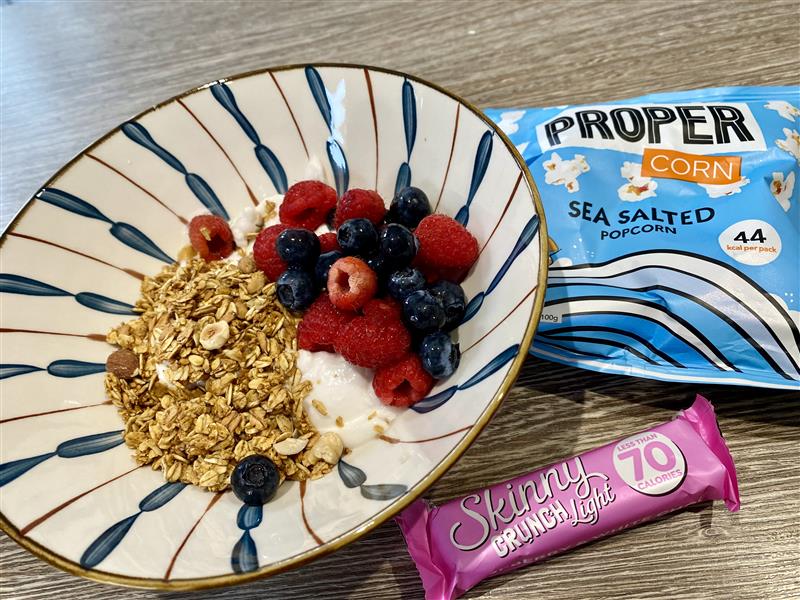
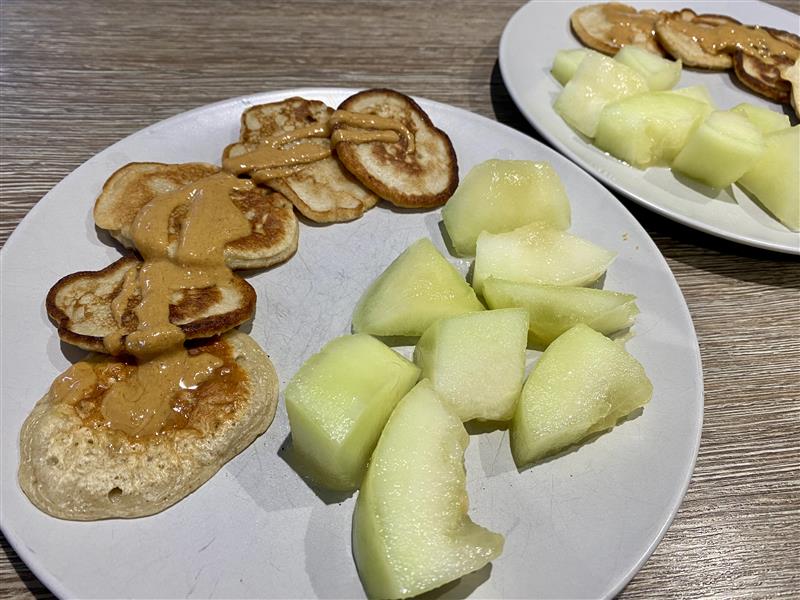
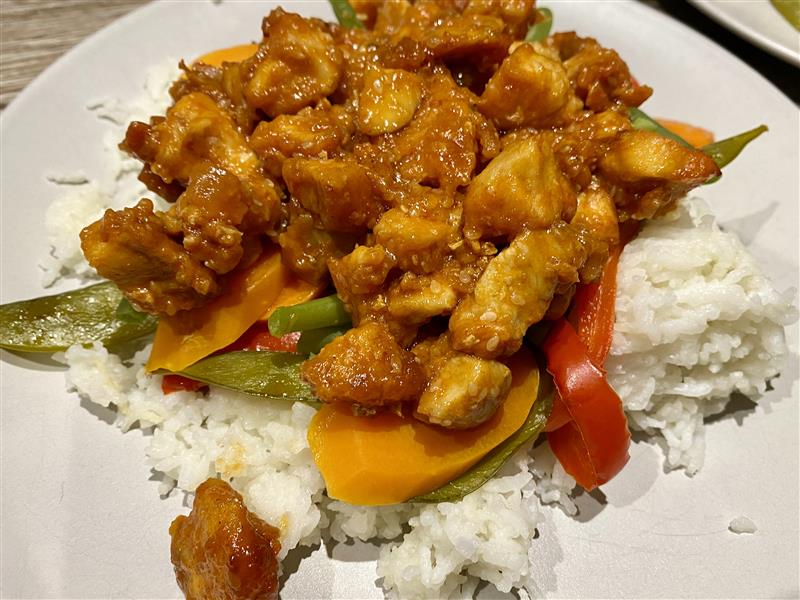
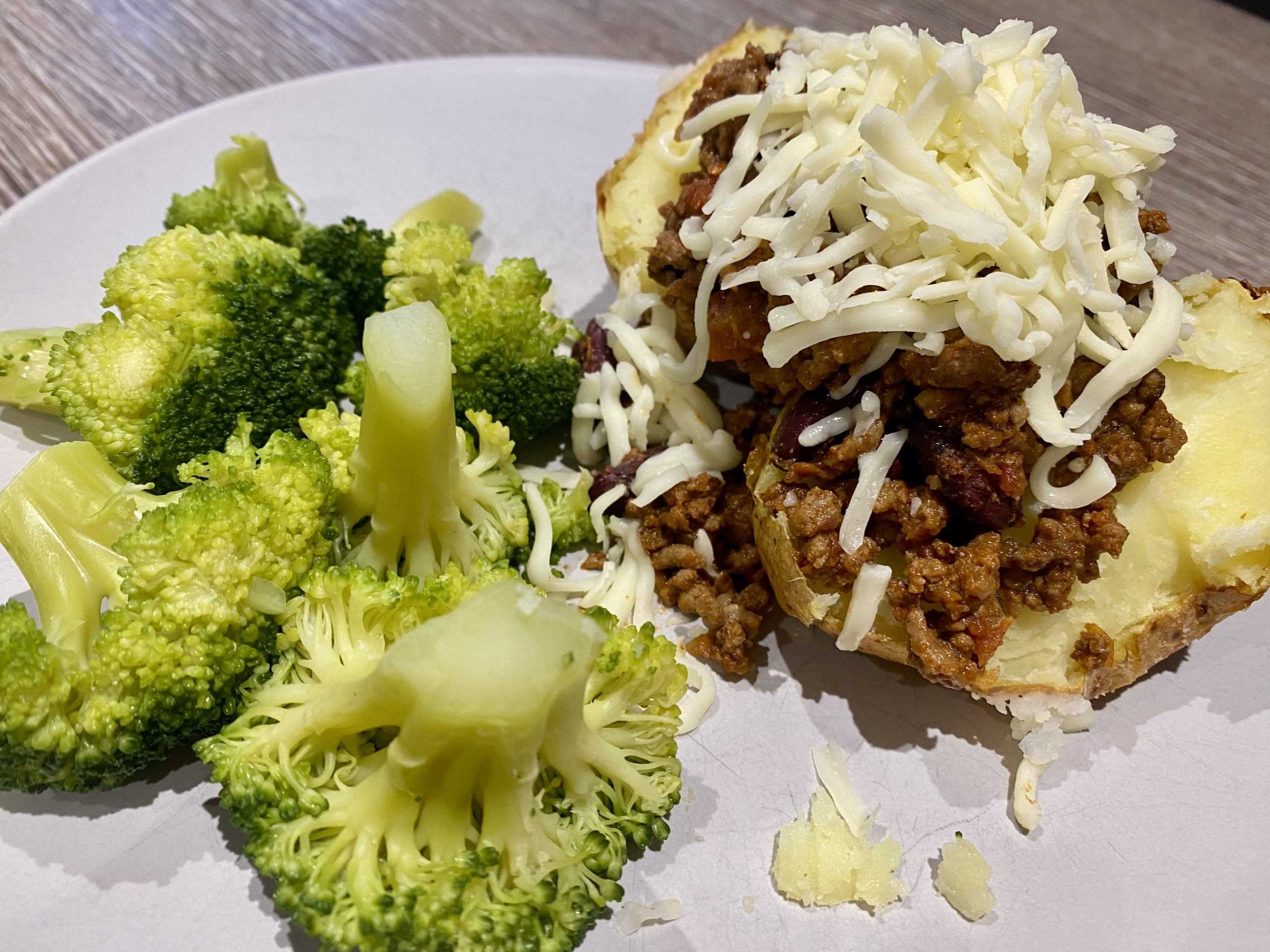
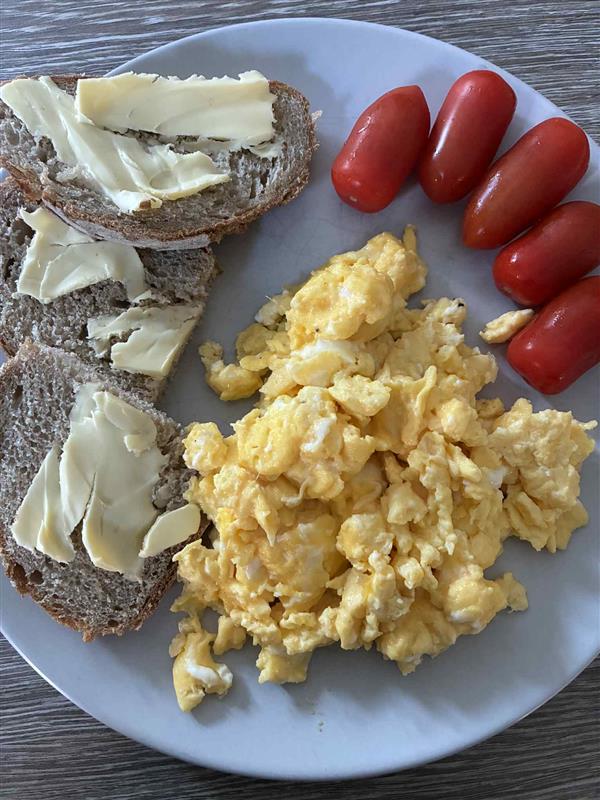
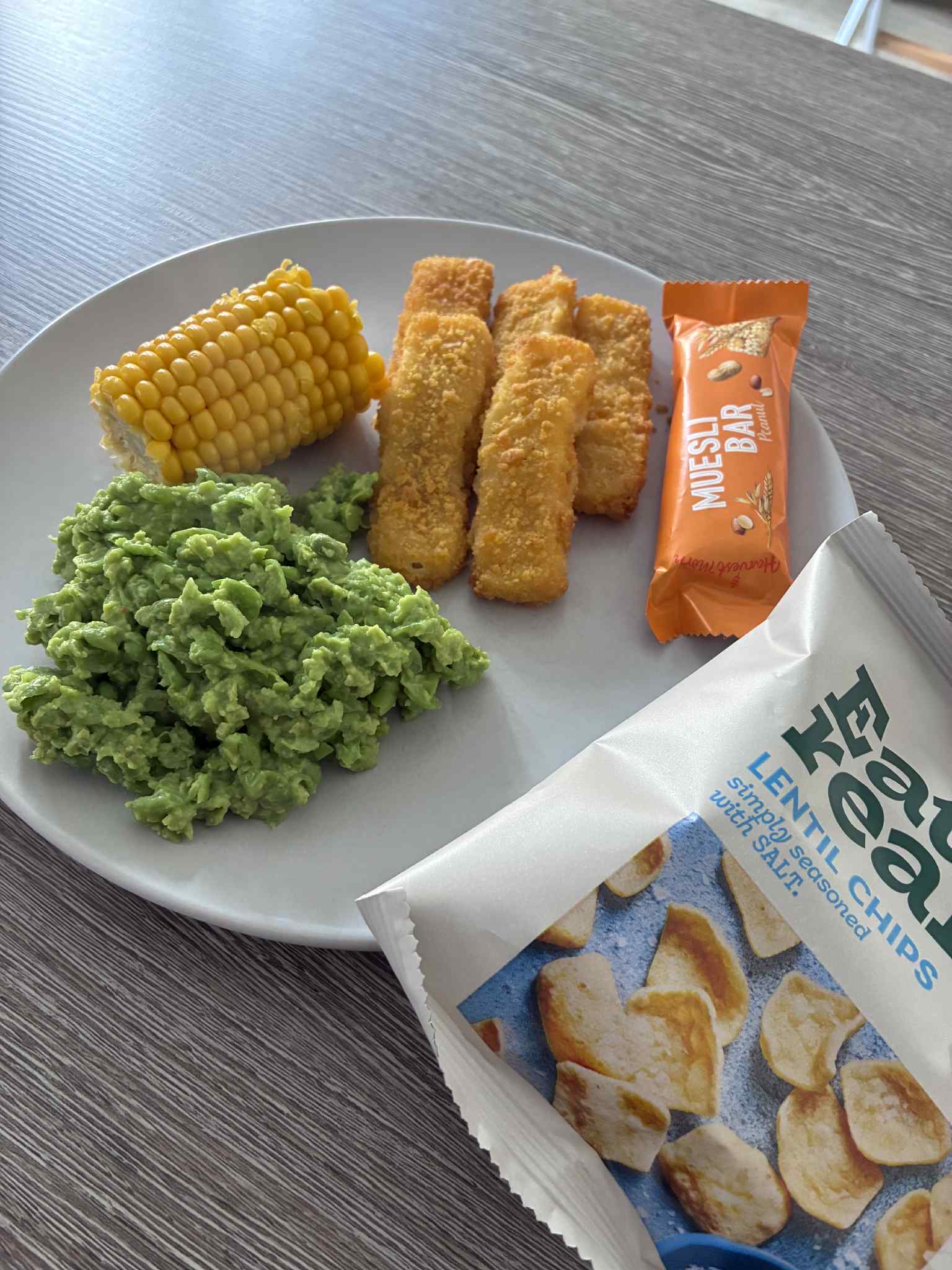
A typical breakfast might be cereal with milk or toast with jam. On weekends, you might be offered a cooked breakfast perhaps eggs, sausages, or porridge. Lunch is often a sandwich or soup, and dinner could be pasta, curry, roast chicken, or a stir-fry.
Snacks and Kitchen Rules
It’s perfectly fine to enjoy snacks, but it’s important to know what’s available and what’s meant for main meals.
From our Host Handbook:
“Students should be shown how to help themselves to tea/coffee etc. and which foods are available for snacks and which should be saved for main meals. It is also a good idea to show students where they can store their own food and how to work the microwave.”
And from the Student Handbook:
“Make sure you know the rules of the kitchen for example, what foods can be eaten as snacks, what foods are saved as main meals, and how to wash dishes. It is always polite to ask permission before you take food and drinks from the kitchen in between meals.”
British people often snack on fruit, toast, crisps, or biscuits. If you’re still hungry between meals, ask your host what snacks you can take. Don’t worry it’s not rude to ask! It’s a great way to show respect and build trust.
Cultural Differences Around Food and Manners
You may notice that British meal customs differ from what you’re used to and that’s completely normal.
From the Host Handbook:
“Sometimes, due to cultural differences, the students’ table manners can cause a little concern. Please remember some students are not used to eating with our cutlery (they may be used to using chopsticks), and polite table manners in one country may be incredibly rude in another.”
This is part of the fun of cultural exchange! If you’re unsure about how to eat something or what’s polite, just ask. Most hosts love sharing their culture and learning about yours too.
From the Student Handbook:
“It is considered very rude to make noises whilst you are eating. Try to eat with your mouth closed and refrain from passing any gas or wind at the table. If you have enjoyed your meal, thank your homestay.”
A simple “thank you, that was lovely” after a meal always makes your host smile.
Talking About Food Preferences and Needs
When you first arrive, your host will already know your dietary requirements but it’s still important to talk about what you like and dislike.
From the Host Handbook:
“It is advisable for homestays to discuss food likes/dislikes and any special dietary requirements with the student when they first arrive. In some cases, there may be certain foods that the student is not allowed to eat for religious or health reasons.”
If something isn’t suitable for you, just let your host know politely. Communication helps everyone feel comfortable, and most hosts are happy to adjust meals where possible.
What to Expect — and What Not to Expect
What to Expect:
- Typical British breakfast, lunch, and dinner
- Snacks available (ask first which ones are okay to take)
- Opportunities to try new foods and share your own culture
What Not to Expect:
- A hot or very large breakfast every day
- Unlimited access to any food in the kitchen without asking
- Meals identical to what you eat at home
Final Thoughts
Mealtimes are about more than food they’re about connection. Your host family wants to make you feel welcome and cared for.
By sharing meals, you’ll not only learn about British food but also about local customs, humour and warmth.
So enjoy the experience, be open to trying new things, and remember a shared meal is one of the easiest ways to make a new place feel like home.